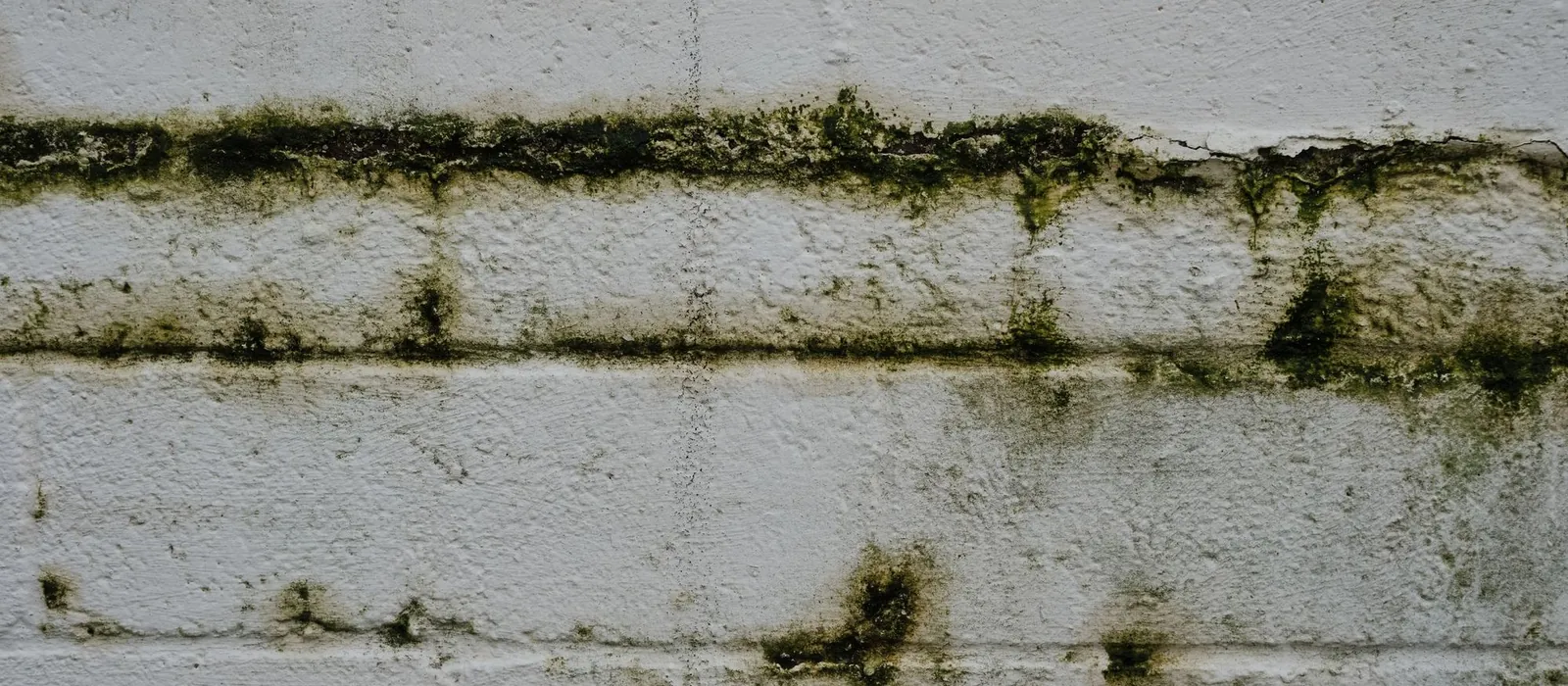
Basement waterproofing in Independence, KY is rarely a single fix. Water gets in through the floor edge, a cracked wall, a failed pipe or a downspout that dumps beside the foundation, and each source needs a different remedy.
Independence Pro Plumbing covers the plumbing side: sump pumps, discharge lines, floor drains and interior drainage. We tell you honestly when the real problem is outside the house and falls to a different trade.
Damp walls, puddles and a musty smell
Homeowners usually describe the problem long before they know its name. These are the signs we hear about most, and what each often points to.
Puddles along the wall and floor joint
Groundwater pushing up at the seam where the slab meets the wall, often after heavy rain.
White powder on masonry
Efflorescence is mineral residue left when moisture passes through block or concrete and dries.
Musty air that returns after cleaning
A constant moisture source keeps humidity high, and mold follows in stored boxes and carpet edges.
Water only after a storm
Surface water from roof runoff or sloped soil is the usual cause when dry weather brings relief.
Water with no rain at all
A leaking supply or drain line can wet a basement in dry weather, so plumbing should be ruled out first.
Floor drain gurgles or backs up
A blocked drain or an overloaded sewer line can push water through the lowest opening in the house.
Where the water actually comes from
Water follows gravity and pressure. Rain soaks the soil around a foundation, the ground becomes saturated and the water presses against the wall and slab. If the soil slopes toward the house or the gutters empty near the footing, more water arrives than the ground can carry off.
The foundation then offers small paths in: hairline cracks, the seam where floor meets wall, a gap around a pipe or a window well that fills like a bucket. Fixing the source outside is often cheaper and more lasting than managing the water once it is inside.
What we do, and what we do not
We handle the plumbing side of keeping a basement dry: sump pit and pump, discharge lines, floor drains, interior drain connections and any leaking pipes. We do not regrade a yard, replace gutters, seal exterior walls or repair cracked block. If those are the cause, we say so and you hire the right trade, then our pump and drains carry whatever water still reaches the pit.
Water in the basement?
Call our 24/7 line and tell us when and where it shows up.
Cause, remedy and who does the work
This table helps you decide where to start. Several causes can overlap in one house.
| Likely cause | Typical remedy | Who handles it |
|---|---|---|
| Downspouts empty beside the wall | Extend or redirect the downspouts | Homeowner or gutter contractor |
| Soil slopes toward the foundation | Regrade so ground drops away from the house | Grading or excavation contractor |
| Groundwater at the floor edge | Interior drain channel to a sump pit and pump | Plumber (our work) |
| Failed or missing sump pump | Install or replace the pump and discharge | Plumber (our work), see sump pump repair |
| Leaking supply or drain pipe | Locate the leak and repair or replace the pipe | Plumber (our work) |
| Cracked foundation wall | Crack repair or exterior sealing | Masonry or foundation contractor |
Many wet basements need two of these, such as better grading plus a working sump. Start with the cheapest, outside fixes and add plumbing where water still shows up.
How we approach a wet basement
Rule out plumbing first
We shut off water to the house and watch the meter to see whether a supply line is leaking.
Find the water path
We look at the floor, wall base and any existing drain, noting where and when water appears.
Check the pit and drains
A sump pit, floor drain or cleanout tells us whether the system moves water as it should.
Propose the plumbing work
You see options in plain language with a clear price before work starts.
Flag the outside work
If gutters, grading or a wall crack are involved, we say so and explain what to ask a contractor.
Interior drainage, floor drains and discharge
Interior drainage means a channel cut along the floor edge that collects water and sends it to a sump pit. It manages water that has already reached the slab. It works best alongside outside fixes and a pump you can trust, which is why we often pair it with a new or repaired unit from our sump pump service.
Floor drains need care too. A basement floor drain that connects to the sanitary line can back up when the line is stressed. SD1 handles sewer and stormwater management in this area, so if sewage rises through a drain, call SD1's sewer emergency option and then our 24/7 line. A leak detection visit is the next step if the source is still unclear.
Checks you can make before you call
A few minutes with a flashlight can narrow the cause and make the call faster.
- Look at where each downspout ends and whether the water runs toward or away from the house.
- Note whether water appears only after rain or in dry weather too.
- Check the sump pit lid, float and outlet for obvious problems.
- Watch the water meter with every fixture off for fifteen minutes.
- Look for a stained wall behind a bathroom or laundry that shares a basement wall.
- Take photos of damp areas with the date, which help any contractor and your insurer.
What affects the price of basement water control
A single sump pump swap is a small job. A long interior drain across a finished floor is not. Each home needs its own plan.
Length of drain
Cutting and replacing more slab, per foot, means more labor and more concrete work.
Finished or open basement
Carpet, drywall and built-ins have to be moved or protected, which adds time.
Pump capacity and backup
Larger pumps and battery backups cost more but suit pits that run hard in storms.
Discharge route
A long run, a difficult exit through the wall or a lot with little slope increases pipe and labor.
Hidden pipe repair
If a leaking line is part of the cause, the repair adds to the scope.
Insurance often covers sudden water damage from a burst pipe but typically not seepage or groundwater. Check your own policy for water backup coverage before you need it.
A note on drainage around Kenton County homes
Banklick Creek, a tributary of the Licking River, runs through Kenton County, but we cannot say how close water sits to any one house. Your own lot slope matters more. If water pools at one edge of your yard after rain, point downspouts away from that spot and mention it when you call.
Frequently asked questions
That pattern usually points to surface water: gutters, downspouts or soil sloping toward the house. Fixing those outside often helps more than any interior work. A sump pump then handles whatever still reaches the foundation.
We handle the plumbing side: sump pumps, discharge lines, floor drains and interior drains. We do not regrade yards, install gutters or seal foundation walls. We will tell you which parts of your problem fall to which trade.
Shut off all water and watch the meter for fifteen minutes. If it moves, a line is leaking. Water on dry days, near a bathroom wall or beneath a water heater also points to plumbing.
If water collects in the basement after storms, a pit and pump are often the cleanest way to remove it. Tell us what you see and we will check whether a pump fits your layout.
It is usually efflorescence, mineral salts left when moisture moves through masonry and evaporates. It signals moisture, not a plumbing fault, so look at grading and gutters. Persistent dampness deserves a closer look.
Yes, we serve Independence and nearby towns. If you are near the Boone County line, see our Walton plumber page or call to confirm your address.
A floor drain removes standing water but does not stop it entering. For lasting results, pair it with outside fixes and a working pump. We can add a drain where the floor slopes toward a low point.
Sources and official contacts
Utility and licensing facts on this page come from the offices below. Contact them directly for anything on their side of the line.
- Sanitation District No. 1
Handles sewer and stormwater, and takes sewer emergency reports.(859) 578-7450 - Kentucky Division of Plumbing
Oversees plumbing in the state, including the State Plumbing Code that sets the standards for our work. Verify a plumber's license or ask about permits here.(502) 573-0397