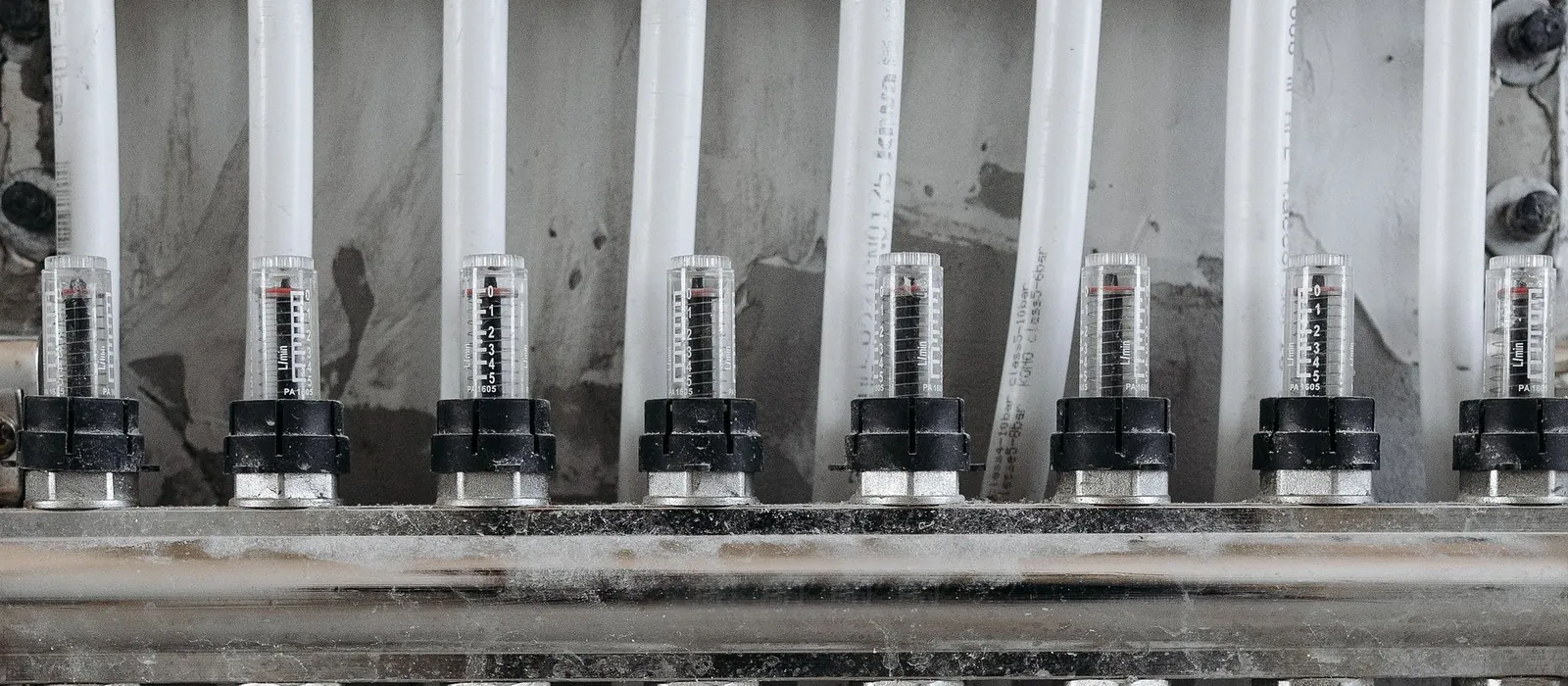
Repiping in Independence, KY means swapping the water supply pipes inside your walls, floors, and crawl space for new ones. It is a big job, so the first question is usually cost, and the honest answer is that it depends on the house. Licensed plumbers on our team look at the pipe you have, count the problem spots, and give you a clear price before work starts.
Most people call after a second or third leak, after months of brown water, or after a hot-water line that barely trickles. One pinhole is a repair, and our leak detection work can pin down where it is. A pattern of them is a sign the whole pipe is wearing out from the inside.
What drives the cost of a repipe
A repipe is priced on the size of the house and the difficulty of reaching the pipes, not on a flat rate. These are the factors that move the number most.
Size and layout of the house
More bathrooms, kitchens, and laundry hookups mean more pipe runs and more fixture connections to remake.
Access to the pipes
Open basements and crawl spaces are quick to work in. Finished ceilings, plaster walls, and slab floors take more labor to reach.
New pipe material
Copper, PEX tubing, and CPVC have different material costs and different labor needs, which is why a technician compares them for your house.
Drywall and finish repair
Cutting access holes is part of most repipes, and patching and painting them is a separate scope that you can handle or add to the job.
Whole house or partial
Replacing one failing branch costs far less than the whole system, but a partial job leaves the old pipe elsewhere in the house.
Insurance often helps with sudden water damage after a pipe bursts, but it rarely pays to replace pipes that wore out with age. Read your own policy and ask your insurer how it treats a leak that was slow and ongoing.
Rusty water, weak flow, and pinhole leaks: signs supply pipe is wearing out
Pipes fail from the inside long before they fail on the outside. These are the clues homeowners notice first.
Brown or yellow water
Steel pipe sheds rust when water sits overnight. If the color clears after a minute of running, the pipe wall is likely corroding.
Pressure that has faded
Mineral and rust buildup narrows old pipe, so the inside opening shrinks while the outside looks fine.
Pinhole leaks that keep returning
A spot repair holds, then a new pinhole opens a few feet away. That pattern points to thin pipe throughout.
Stains on ceilings or walls
A brown ring that grows after you run a faucet suggests a leak behind the surface.
Hot water slower than cold
Hot lines age faster, and a slow hot tap can mean scale has closed up the pipe.
A slab leak
A damp floor, a warm spot, or a meter that runs with taps off can mean a pipe below the concrete has failed.
Pipe materials compared before you choose
Several materials work well in a modern house. This table shows how they differ in the ways that matter on a repipe.
| Material | Where it shines | What to weigh |
|---|---|---|
| Copper | Long track record, tolerates heat, does not sag | Costs more in material and takes more labor to solder |
| PEX tubing | Flexible, so it snakes through walls with fewer cuts | Must be protected from sunlight and from some chemicals |
| CPVC | Rigid plastic, rated for hot and cold lines | Can turn brittle over time, especially near heat sources |
| Galvanized steel | Common in older homes, which is why it needs replacing | Corrodes inside, so flow drops and leaks multiply |
PEX and copper are both common choices for a repipe, and a technician can explain the tradeoffs for the way your house is built.
Want the pipe checked first?
Call to book a visit and get a clear price before any wall is opened.
Why galvanized and older supply pipe gets replaced
Galvanized pipe is steel coated with zinc, and it was a standard choice for house plumbing for decades. The coating wears away, and rust builds up inside the pipe wall. Flow shrinks to a trickle, the water turns brown, and weak spots eventually leak. Where a fitting joins two pipes, the buildup is often worst. When one of those aging pipes finally splits, our burst pipe repair service handles the emergency part first.
Older copper can also fail, usually at joints or where acidic water thins the wall. CPVC from some manufacturers cracks as it ages. A technician checks each pipe type for its own failure signs rather than assuming one story for every house.
Homes built in different eras may not share the same pipes
Independence grew by annexation in the 1960s, 1970s, and in 1981, so homes in the city come from several building periods. Houses from different eras often use different pipe materials, and a renovation may have swapped some of them. Do not assume your neighbor's pipes match yours.
The only reliable way to know is to look. A technician identifies the material where the water enters the house and at a few more points, then explains whether a repair, a partial repipe, or a full job fits. Kentucky plumbing, including work in Kenton County, is overseen by the Kentucky Division of Plumbing, and you can verify any plumber's license with that office.
What the technician checks to decide between repair and repipe
A repipe should be the answer only when the evidence points there. A visit usually covers these checks.
- Identify the pipe material at the meter, the water heater, and under sinks.
- Open a few access points to look at the inside of cut pipe, not just the outside.
- Count past repairs and note where the leaks appeared.
- Measure water pressure at an outdoor spigot, then compare it with flow at the fixtures.
- Check the shutoff valves, since old ones often fail to close fully.
- Look for splices made of mismatched metals that can corrode where they meet.
- Trace the main routes through walls, floor, and crawl space to plan access.
How a whole-house repipe goes
Plan the routes
We map where the new supply lines will travel and choose access points that cause the least cutting.
Shut off and drain
The water is turned off at the main and the old system is drained so work can begin safely.
Open access holes
Small sections of drywall or flooring are removed to reach the old pipe, and we protect your floors.
Run new lines
New pipe is run to every fixture, connected at the main and the water heater, and secured in the framing.
Pressure test
The system is filled and held under pressure so any weak joint shows itself before walls are closed.
Turn on and flush
We restore water, flush the new lines, and test each fixture for flow and leaks.
Why a pinhole repair is not always a bargain
A repair fixes one hole, but corrosion works along the whole length of the pipe. If the wall of the pipe near the hole is paper thin, the next leak is only a matter of time. Patching again and again can cost more in repairs and water damage than replacing the supply once. A technician can show you the cut pipe so you can see the wall thickness for yourself.
Frequently asked questions
It depends on how widespread the wear is. If leaks cluster in one branch and the rest of the pipe looks sound inside, a partial replacement can make sense. If the water is brown, pressure is low everywhere, and leaks keep moving, a full repipe is the more reliable fix. A technician checks cut pipe to decide.
Yes. We can replace the galvanized sections and tie the new pipe into copper or plastic that is still in good shape. The connection points need the right fittings to avoid corrosion where different metals meet. We lay out what stays and what goes before work starts.
Look where the water line enters the house and under sinks. Copper looks reddish brown, galvanized is dull gray and often rusty, and PEX is flexible tubing in colors like red, blue, or white. If you are unsure, a plumber can identify the material in a few minutes. If you are also adding fixtures, our plumbing installation team can plan the new pipe runs at the same visit.
You will lose water while connections are made, but a crew can often keep you on a schedule that limits the gap. We talk through timing and bathroom access before starting so you can plan around it. The length depends on the size of the house and the access.
Not always. A leak under concrete can sometimes be fixed with a spot repair after the location is pinpointed. When a slab has more than one leak, the pipe is often failing throughout, and rerouting new lines through the attic or walls avoids breaking more concrete. Homeowners in Edgewood and other nearby towns can ask about the same options.
If the cause is narrowed or corroded supply pipe, yes, new pipe restores flow. We test pressure first, since a failing pressure regulator or a partly closed valve can produce the same symptom and costs much less to fix.
Sources and official contacts
Utility and licensing facts on this page come from the offices below. Contact them directly for anything on their side of the line.
- Northern Kentucky Water District, customer service
Owns the service line from the main to the meter and publishes an annual water quality report.(859) 578-9898 - Kentucky Division of Plumbing
Oversees plumbing in the state, including the State Plumbing Code that sets the standards for our work. Verify a plumber's license or ask about permits here.(502) 573-0397