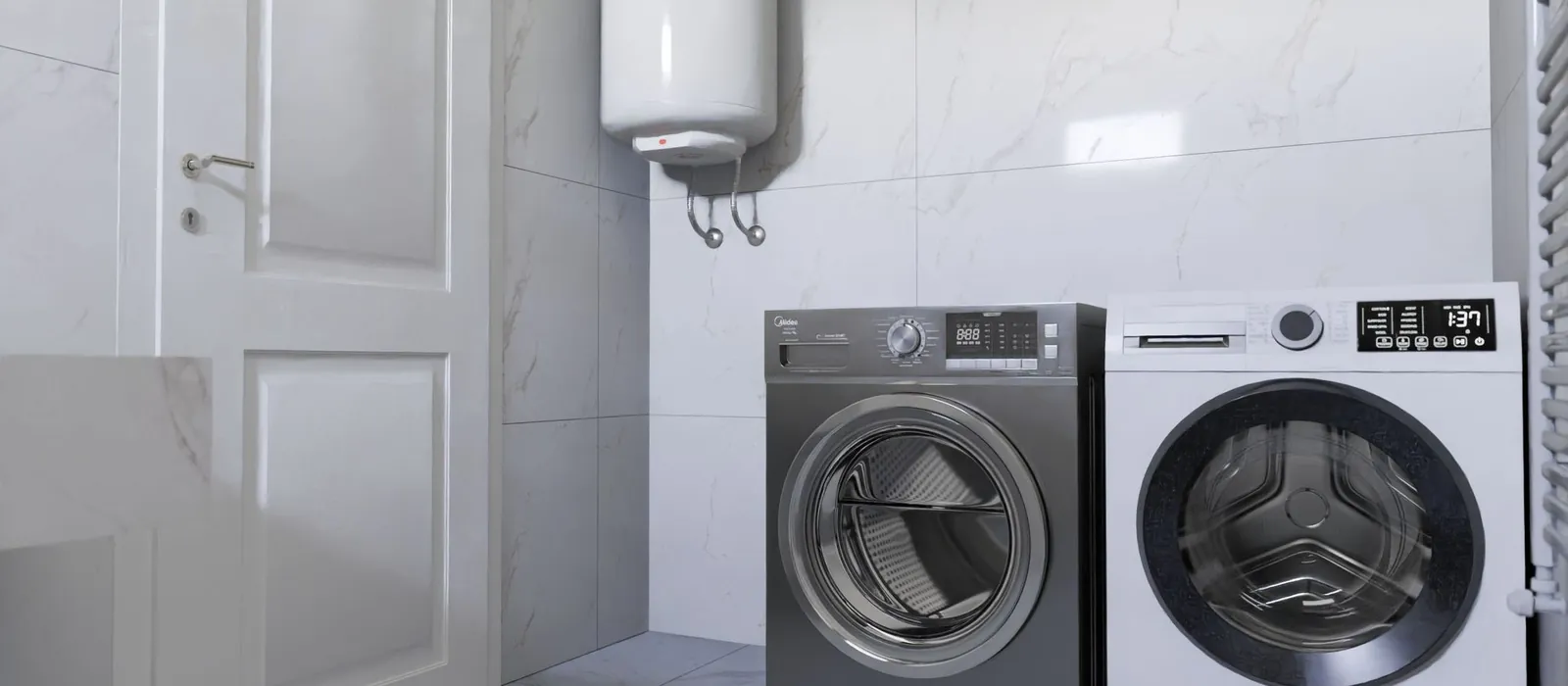
If your tank has split open or the water has been cold for days, you need water heater replacement in Independence, KY, and you need it soon. Our 24/7 line is open now. Until we arrive, shut the cold supply valve, cut power at the breaker or set the gas control to off, and keep children and pets out of the wet area. A gas smell means you leave and call the gas utility or 911.
Replacement is a different call than repair. It means pulling the old tank, matching a new one to your household and fuel, and reconnecting every line safely. Our licensed plumbers work across Kenton County and can often book same-day appointments when available, so a family does not wait long for showers and dishes.
Replace now or hold off: a decision grid
Some tanks deserve one more repair, and others do not. This grid shows where most homeowners land.
| Condition of the tank | Lean toward | Why |
|---|---|---|
| Leaking from the shell or bottom | Replace | Rust-through cannot be patched |
| Past ten or twelve years old, failing part | Replace | Another part will likely fail soon |
| Under eight or so years old, one bad part | Repair | The tank body is still sound |
| Rust-colored hot water only | Replace soon | Lining and anode rod are probably spent |
| Constant relief valve dripping | Test first | May be pressure, not the tank |
| Heater too small for the household | Replace with a larger size | Repair will not add capacity |
If the answer is not obvious, our water heater repair service can test the unit and give you an honest read before you commit.
The tank gave out suddenly: your first ten minutes
A failed tank can release the whole 40 to 50 gallons within minutes, and the water goes wherever the floor slopes. We answer after-hours calls for flooding heaters, and a replacement can often be scheduled the same day.
Protect people first, then property. Stay out of standing water near electrical panels or outlets.
- Turn the cold water valve above the tank fully off.
- Cut power at the breaker, or switch a gas heater's control to off.
- If you smell gas, leave the house and call the gas utility or 911 before anything else.
- Open a hot faucet at the highest point in the house so the tank drains.
- Pull up rugs and move boxes off the wet floor.
- Call our 24/7 line with the tank's size, fuel type and where it sits in the home.
Which kind of new heater fits your house
The right replacement depends on fuel, space and how many people shower each morning.
Standard gas tank
Heats quickly and works with a vent and gas line already in place. Venting must be inspected with every swap.
Standard electric tank
Simple to install and has no combustion air to worry about. Recovery is slower than gas.
Larger tank
A 50 or 75 gallon model suits a busy household that ran out of hot water on the old 40 gallon tank.
Tankless unit
Heats on demand and frees floor space. It needs the right gas line or electrical circuit. See our tankless water heater page.
Heat pump or hybrid tank
An option that moves heat from the surrounding air and uses less electricity. It needs open space, a floor drain or condensate line, and often a larger footprint.
Flooded or cold for days?
Call our 24/7 line to book a licensed plumber.
How hard water shapes the life of your next tank
Northern Kentucky Water District's 2023 report lists about 7 grains per gallon across its systems. That level lays limescale on heating surfaces, and the scale insulates the water from the burner or element. A new tank that is flushed yearly keeps its efficiency, while one left alone often wears out sooner.
So ask us about a drain valve you can reach, and plan a simple annual flush from day one.
Reading the data plate on your old tank
The sticker on the side lists capacity in gallons, the first-hour rating, fuel type and the manufacture date in the serial number. Those four facts tell us what to match, and whether the tank has outlived the typical lifespan of roughly ten to fifteen years for a standard unit.
Take a photo of it before we arrive. It speeds up the order for the right replacement, especially after hours.
Planning for a tank that has not failed yet
The cheapest replacement is the one you schedule. A planned swap lets you pick the size, compare fuel options and clear the area around the heater. It also avoids the damage that follows a split tank, such as wet drywall and ruined stored items.
Warning signs include rust-tinted hot water, moisture at the base, a tank that rumbles, and a water heater that cycles on and off more than it used to. If you notice two of these together, book a visit while the floor is still dry.
How a replacement visit runs from start to finish
Confirm the match
We read the old tank's data plate for fuel, capacity and recovery rate, then compare it with your household use.
Drain and disconnect
The tank is isolated, drained through a hose and disconnected from water, gas or power, and the vent.
Set the new unit
The new heater goes on a level base with a drain pan where the space allows, and new connectors replace worn ones.
Reconnect and test
We check gas joints with a leak solution or meter, test the relief valve and verify vent draft on gas units.
Fill, heat and haul away
The tank fills before power returns, we confirm the water reaches temperature, and we remove the old heater.
What gets inspected beyond the tank itself
A swap is a chance to catch problems that shortened the last tank's life.
- Condition of the shutoff valves and whether they close fully.
- Flexible connectors and copper stubs for corrosion or kinks.
- Gas line size, sediment trap and flue pipe slope on gas units.
- Breaker size and wire gauge on electric units.
- Temperature and pressure relief valve and its discharge pipe.
- Expansion tank presence where a closed system calls for one.
- Water pressure at a hose bib, since high pressure shortens tank life.
What moves the price of a new water heater job
Two homes with the same 40 gallon tank can get very different totals. We explain every line before the first wrench turns.
Tank type and capacity
Gas, electric, larger sizes, tankless and heat pump models sit in different price tiers.
Venting and gas work
A flue that needs rerouting or a new gas line adds parts and hours.
Code-related upgrades
Older installations sometimes need new valves, a pan, or an expansion tank added during the swap.
Access and removal
Stairs, tight closets and attic spaces take more labor to haul a full tank out.
Timing
Same-day and after-hours replacements are priced for the urgency, and you see the number before we begin.
Insurance may cover water damage when a tank bursts suddenly, but it rarely pays for a heater that simply wore out. Check your policy language, and keep photos of the damage.
Nearby towns and related work
We also serve homeowners in Erlanger, just north of the Independence area. If your new tank is part of a bigger project, see our notes on water heater installation for what a first-time setup involves.
Frequently asked questions
A like-for-like swap of a standard tank is often done in a few hours. Changing fuel, moving the unit or reworking the vent adds time. We confirm the plan before work begins.
Yes. Our 24/7 line handles tank failures at night and on weekends, and a replacement can often be scheduled the same day. Shut the cold supply and the power or gas first, and if you smell gas, leave and call the gas utility or 911.
Yes, but the home needs the right supply. Gas needs a vent and gas line, and electric needs a dedicated circuit of the right size. Ask for a quote on both so you see the difference.
It can lower electric use, but it needs room, airflow and a way to drain condensate. A technician can tell you whether your utility room suits one.
We haul it away as part of the job. The metal is recyclable.
If yours is past ten years, has rust at the base, or drips from the shell, replacing it on your schedule beats a flooded floor at midnight. A planned swap also lets you compare sizes.
A pan with a drain line catches slow leaks before they reach the floor. It is especially useful when the heater sits above finished living space or on a second floor. We look at the layout and tell you whether it makes sense.
Yes. NKWD's 2023 report shows about 7 grains per gallon, enough to build scale on the bottom of a tank over time. A yearly flush keeps a new heater efficient.
Sources and official contacts
Utility and licensing facts on this page come from the offices below. Contact them directly for anything on their side of the line.
- Northern Kentucky Water District, customer service
Owns the service line from the main to the meter and publishes an annual water quality report.(859) 578-9898 - Kentucky Division of Plumbing
Oversees plumbing in the state, including the State Plumbing Code that sets the standards for our work. Verify a plumber's license or ask about permits here.(502) 573-0397