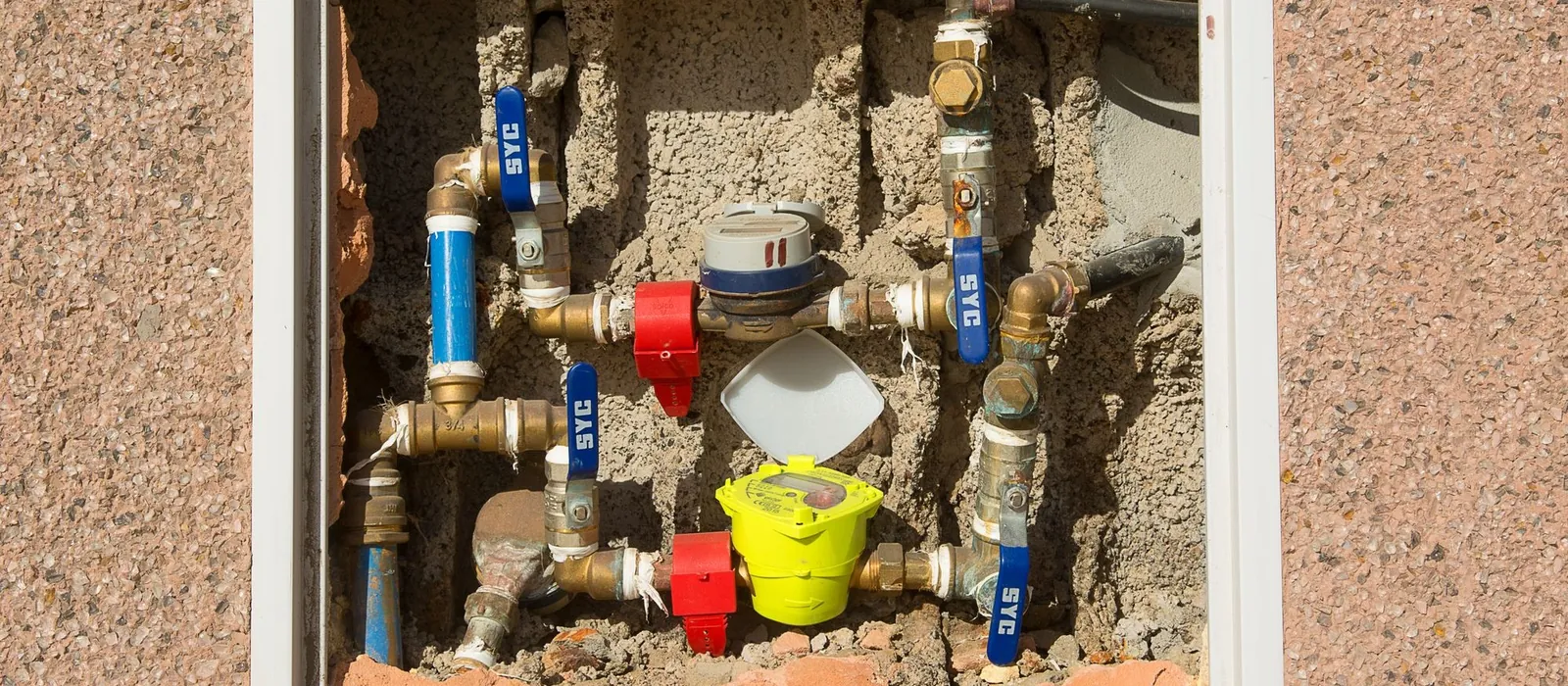
A hidden leak wastes water every minute and soaks wood, drywall, and soil while you sleep. If you need leak detection in Independence, KY, call our 24/7 line right away. While you wait, shut off the main supply valve where the water line enters the house, and keep people away from wet outlets and ceiling fixtures.
Most leaks cannot be seen. They show up as a meter that moves with every tap closed, a bill that keeps climbing, a warm patch on the floor, or a brown stain on a ceiling. Our licensed plumbers use pressure tests, listening gear, and thermal imaging to follow the water to its source, then explain the repair options in plain terms.
We work across Independence and Kenton County. You get a clear price before work starts, and same-day appointments are available when the schedule allows.
A rising bill, a spinning meter, a warm floor: signs of a leak you cannot see
People rarely start by saying they need a leak locator. They notice something odd, and the odd thing is the clue. Each of these signs leads back to the same job, which is pinpointing a hidden water leak with testing before anyone opens a wall or digs a trench.
A bill that creeps up with no change in habits
A slow leak can add a few thousand gallons a month. The jump is gradual, so it is easy to miss until the number gets large.
The meter moves with every fixture off
This is the clearest sign. Water is leaving the system somewhere between the meter and a tap.
The sound of water when the house is quiet
Hissing or trickling in a wall, floor, or yard points to a pressurized pipe that is leaking.
A warm spot on the floor
A leaking hot line under a concrete floor can heat the surface above it.
Musty smell, peeling paint, or soft flooring
Moisture trapped behind a surface feeds mold and rot long before a drip appears.
Low water pressure all at once
A large leak steals pressure from every fixture, especially after the supply line enters the house.
A wet, green, or sunken patch outside
A buried line that leaks soaks the soil above it, and grass there may grow faster or the ground may settle.
How a typical leak hunt unfolds
Picture a typical job like this one. A homeowner notices the bill has jumped and the meter dial turns while everyone is out. We start with the meter, shut the house main, and see whether the dial still moves. That one test splits the problem into two halves: the buried line outside, or the pipes inside.
Next we narrow the search inside that half. We check pressure on the hot and cold lines separately, listen along walls and floors, and scan with a thermal camera for cool or warm stripes. Each reading removes part of the house from suspicion.
The visit ends with a marked spot, or a marked small area, and a clear explanation of what repair would involve. You decide what happens next. If you plan to fix it yourself or with another contractor, you still leave with a location and a method.
The meter still runs when every tap is closed
Turn everything off
Close all taps, stop the dishwasher and washer, and confirm no toilet is running or filling.
Read the meter
Find the meter, lift the lid, and note the dial. A small triangle or wheel that spins often marks a low flow.
Wait and compare
Check again after 30 minutes to a couple of hours. Any change means water is leaving the system.
Shut the house main and look again
If the dial keeps moving with the house valve closed, the leak is outside before the house. If it stops, the leak is inside.
Rule out toilets
A few drops of food coloring in each tank will show color in the bowl if the flapper is leaking.
Think you have a hidden leak?
Call our 24/7 line and a licensed plumber will plan the testing with you.
Slab leaks: finding a pipe under the concrete
A slab leak is a leak in a pipe that runs under or inside a concrete floor. The signs include a warm floor, the sound of running water with nothing on, a wet line along the edge of the garage floor, or a bill that jumps. Not every home has pipes in the slab, so we confirm the layout first.
The method is a stack of tests, not a single gadget. We pressure test hot and cold lines to learn which one is losing water. We listen with sensitive microphones along the floor. A thermal camera picks up heat from a leaking hot line, and a tracer gas can be used on lines that resist other tests.
Honestly, these methods usually narrow the leak to a small patch of floor, not a perfect circle. No tool is exact every time, and we say how sure we are before anyone cuts concrete. The repair options are breaking the slab at the spot, or rerouting the line overhead, which is where repiping comes in.
Stains and damp spots on ceilings and walls
Water shows up where gravity and the building let it, not where the pipe is. A ceiling stain in the dining room may start at a tub drain two rooms away. A damp wall may come from a supply line, a drain joint, or a shower valve. A stain that grows after a bath or after the washer runs usually means a supply or drain tied to that use.
A moisture meter and a thermal camera show how far the wet area spreads. We open as little drywall as the testing allows. Turn off power to any ceiling light with water in the fixture, and do not touch it.
Under-house and crawlspace leaks
If your home has a crawlspace or an unfinished area under the floor, leaks there are often easier to reach than slab leaks. Supply lines, drain joints, and the line from the water heater run through that space. A cracked drain joint can also release sewer smell, which can drift up into the rooms above.
The sound of water running below the floor is a common sign. We shut down the supply, check pressure by branch, and look at the pipes and the soil beneath them. Wet soil, dripping joints, and rust trails tell us where to work.
Water pouring in or the meter racing right now
A leak that is actively flooding a room, or a meter spinning fast, needs a shutoff first and detection second. Our line is open 24/7 and we book same-day visits when we can. Tell the dispatcher what you see so we can plan the testing.
- Close the main shutoff valve where the line enters the house.
- Open a low faucet to drain remaining pressure, then check that the meter stops.
- Switch off power to any area with standing water or a wet ceiling fixture.
- Move furniture and valuables away from the wet area.
- Note where the meter dial stands so we can compare readings.
- Take photos of stains and damage for your insurance claim.
Which test finds which kind of leak
No single tool finds every leak. This is how we match the method to the symptom.
| Method | Best for | Limit to know |
|---|---|---|
| Meter and shutoff test | Telling outside leaks from inside leaks | Does not locate the exact point |
| Pressure test by branch | Finding which line is losing water | Needs the lines isolated first |
| Acoustic listening | Pressurized leaks in floors and yards | Background noise can hide a quiet leak |
| Thermal imaging | Hot line leaks and wet walls | Cold line leaks show less contrast |
| Moisture meter | Mapping damp drywall and wood | Shows wet areas, not the pipe itself |
| Tracer gas | Stubborn lines that other tests miss | Used when simpler tests cannot decide |
We choose tests in order from the simplest to the most involved. Often the first two settle the question.
Buried line leaks between the meter and the house
The water service line is a pipe that runs from the street into the house, usually underground. When a leak hides there, the signs are a wet or sunken patch of yard, a meter that runs with the house valve closed, or low pressure. The pipe may be copper, plastic, or an older material that has worn thin.
We find the line with a locator, listen along its path, and test pressure with the house shut off. The result is a marked stretch of yard. From there the choices are a spot repair or replacing the whole run, a decision covered on our water line repair and replacement page.
Who owns which part of the water line
Northern Kentucky Water District owns the line from the main to the meter. You own the rest, from the meter to the house. That split decides who fixes a buried leak, so we locate it first. If the water is coming from the street side of the meter, call the water district. If it comes from the house side, the repair is yours, and we can handle it.
Irrigation, pool, spa, yard and meter-box leaks
An irrigation system leaks when a valve sticks open, a head breaks, or a buried line cracks. A zone that runs fast, a soggy strip of lawn, or a meter that races only when sprinklers run points to it. We test one zone at a time to isolate the break.
Pool and spa water loss can come from the shell or from the plumbing lines. A simple bucket test shows if the pool is losing more than evaporation takes. We pressure test the lines and check fittings at the pump and heater.
A wet meter box or a soggy patch near the meter calls for care. If the leak sits before the meter, the water district owns it. If it sits on the house side, we trace the line and fix it.
What a technician actually checks on arrival
Before any gear comes out, we gather the facts that tell us where to look.
- Read the meter and watch it with the house main open and closed.
- Ask when the problem started and what changed around that time.
- Check each toilet for a leaking flapper.
- Test pressure on the hot and cold lines separately.
- Look at the water heater, its fittings, and its relief valve line.
- Scan walls, ceilings, and floors with a thermal camera and moisture meter.
- Walk the yard along the supply path for wet or sunken ground.
- Listen at fixtures, floors, and the meter with sensitive microphones.
What drives the price of a leak search
A quick meter check and a full slab hunt are very different jobs. The factors below shape what you pay, and we state the price before work starts.
How many areas must be tested
A single bathroom wall takes less time than a whole slab, a yard, and an irrigation system.
Access to the pipes
Open crawlspaces are quick to inspect. Finished walls and floors take more steps.
Which tests are needed
Pressure tests and listening are quick. Tracer gas and extended imaging add time.
Whether you want the repair too
Finding the leak is one scope and fixing it is another. We can price both together.
Timing
After-hours calls and same-day visits can price differently from a scheduled daytime slot.
Homeowners insurance often covers sudden water damage but may not cover the cost of finding or fixing a slow leak. Read your policy, and ask your agent how it treats detection costs.
After we find it: repair paths and nearby calls
Locating the leak is the first half. If the pipe has split under pressure, our burst pipe repair work covers the fix. If the same system keeps failing, the answer may be new lines, and we can talk through that too.
We also take leak calls from neighbors in Taylor Mill, where a quick meter check often tells owners which side of the line to look at first.
Frequently asked questions
Water is leaving the system somewhere. Close the house main and look again. If the meter still moves, the leak is in the buried line. If it stops, the leak is inside the house.
Yes. Our line is open 24/7 for leaks that will not wait. Close the main shutoff first, switch off power to wet areas, and call us so we can plan the tests.
Yes. Leaks inside walls, under floors, or underground often show no surface sign. A running toilet is also a common cause, so we check toilets first, then the meter, then pressure on each line.
Usually yes. We use pressure tests, listening gear, and thermal imaging to find the area before any cutting. The result is a small marked area, and we explain how confident we are.
Shut off the water to that bathroom if you can, and turn off power to any wet ceiling fixture. We trace the source with a moisture meter and thermal camera so we open as little as we need to.
Northern Kentucky Water District owns the line from the main to the meter. You own the rest, from the meter to the house. We locate the leak first so you know which side it is on.
Yes. For irrigation we test one zone at a time. For pools and spas, we pressure test the plumbing lines and check the equipment fittings. A bucket test helps you rule out normal evaporation.
We narrow it to a small area and mark it. Some tests are more precise than others, and no tool is exact every time. We tell you how sure we are before you commit to digging or cutting.
Sources and official contacts
Utility and licensing facts on this page come from the offices below. Contact them directly for anything on their side of the line.
- Northern Kentucky Water District, customer service
Owns the service line from the main to the meter and publishes an annual water quality report.(859) 578-9898 - Kentucky Division of Plumbing
Oversees plumbing in the state, including the State Plumbing Code that sets the standards for our work. Verify a plumber's license or ask about permits here.(502) 573-0397