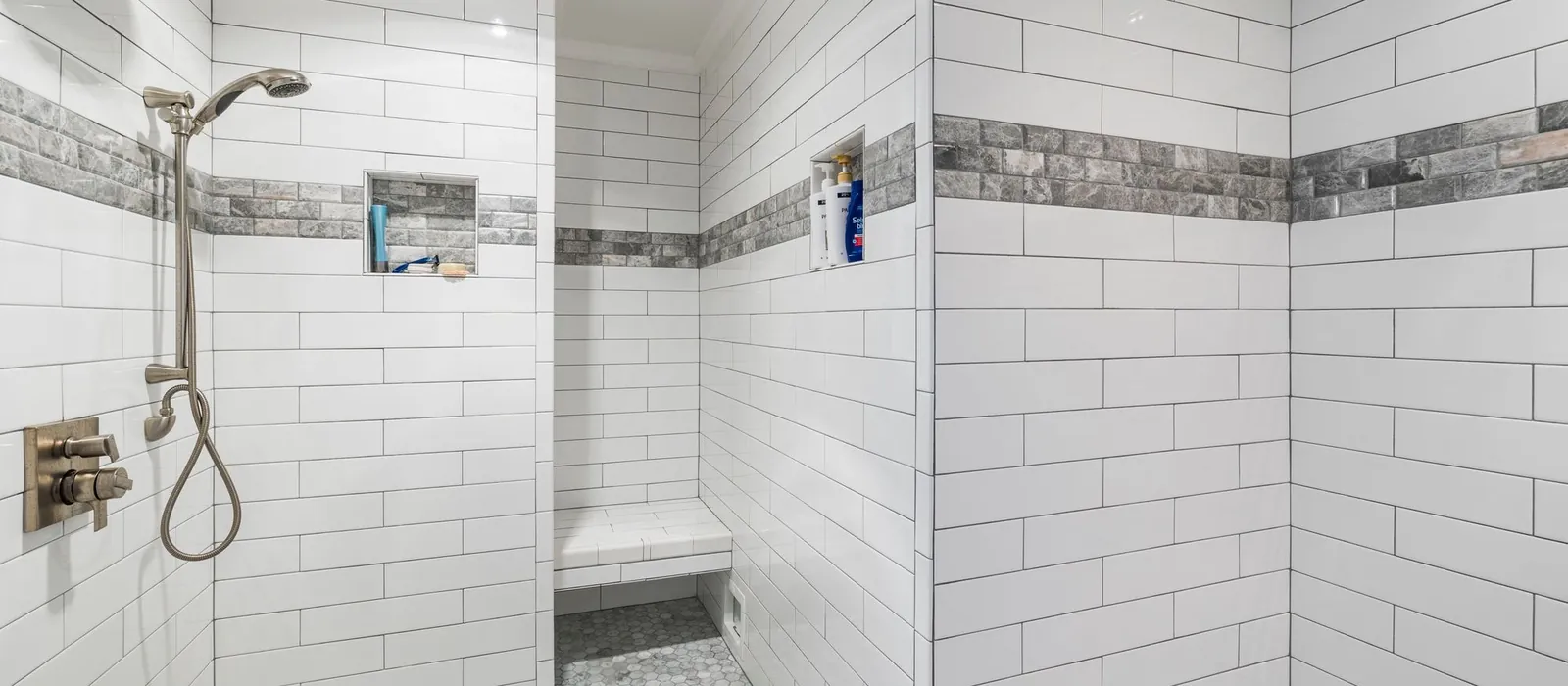
Plumbing installation in Independence, KY covers the work that adds something new to a house: a water softener, a gas line, a tub or shower, a washer hookup, or the rough-in pipes in a new build. Our licensed and insured plumbers plan the route, make the connections, and test the result. You get a clear price before work starts, and same-day appointments are offered when available.
Installs go wrong when the plan skips a detail, such as a vent that was never added or a pipe too small for the load. That is why this page starts with the scope of work and what each type of install involves.
What counts as an installation job
Installs vary a lot in size. This table sorts the common ones by what the job involves and what we check first.
| Installation | What the job involves | What gets checked first |
|---|---|---|
| Shower, tub, or new sink | Supply lines, drain, trap, and vent for the fixture | Drain size, vent path, and water pressure at the spot |
| Washer or dryer hookup | Supply valves, drain standpipe, and sometimes a gas connection | Drain height, valve type, and room for the hoses |
| Water softener or filter | Bypass valves, drain line, and a place for the brine tank | Water test results, space, and a nearby drain |
| Gas line or appliance hookup | Pipe, shutoff, fittings, and leak testing | Gas type, appliance rating, and pipe size |
| New construction rough-in | Drain, waste, vent, and supply pipes before walls close | Plans, fixture locations, and slab or crawl space layout |
| Water heater swap | Tank or tankless unit with shutoffs and venting | Fuel, venting, and the size of the household |
For tank and tankless units, see our page on water heater installation.
Signs your house needs new plumbing, not another patch
Some problems come from the plumbing that was never built for how you live now. These are the clues.
No plumbing at all in a new space
A basement bath, garage sink, or finished addition needs supply, drain, and vent pipes brought in.
Old S-traps under sinks
These can siphon dry and let sewer smell in, and a modern P-trap with a proper vent fixes that.
A tub or shower you want upgraded
A new valve, drain, and supply lines are installed together so the whole stack works as one.
A stove or grill moved to gas
A new appliance needs the right pipe size, a shutoff, and a leak check before it is used.
Hard water scale on fixtures
White crust on faucets and spotty glass often point to a softener or filter.
A remodel with open walls
This is the cheapest time to move pipes, since nothing has to be cut open later.
Water softener and filtration installs
A softener swaps the calcium and magnesium that cause scale for sodium or potassium, and a filter removes taste, odor, or particles. Both need a drain for backwash, a power outlet nearby, and bypass valves so you can isolate the unit. We also service and reconnect existing systems, including units that were damaged in a move or a construction project.
NKWD's 2023 report shows about 7 grains per gallon of hardness across its systems, which sits in the moderately hard to hard range. The report does not say which plant serves which street, so test your own tap before choosing a size. Buying a larger tank than you need wastes salt, and a smaller one regenerates too often.
Chlorine is the disinfectant NKWD lists, and a carbon filter on the kitchen tap or the whole house reduces its taste. Under-sink reverse osmosis is a separate option for drinking water at one faucet. If you have already bought the equipment, bring the model number and we will plan the hookup around it.
Ready to add a fixture or a line?
Call to book a visit and get a clear price before work starts.
Gas line work starts with safety, not tools
If you smell gas, leave the building right away and call the gas utility or 911 from outside. Do not flip switches, light a flame, or use your phone indoors. Call a plumber only after the utility says the area is safe. We do not promise a response time on gas odor calls, because the utility handles that first.
For planned work, such as a stove, a grill hookup, or a line to a fireplace, the pipe is sized to the appliance, fitted with a shutoff, and tested for leaks before it is put to use. A rusty or old line can be inspected before you rely on it.
New construction rough-in plumbing
Rough-in is the first stage of plumbing in a new build. Drain, waste, and vent pipes go in before the walls close, and supply lines are run to each fixture location. Everything is pressure tested so a leak is found while it is easy to reach.
This stage depends on the plans and on whoever builds the framing, so we work with your general contractor on timing. Permit rules vary, so ask the Kentucky Division of Plumbing or the city before work begins. A plumber can explain what to ask for on your project.
What a technician checks before installing anything
A good install is decided before the first pipe is cut. These checks come first. If the fixture you are replacing is just a leaky tap, faucet repair may be all you need.
- Measure the water pressure at the spot where the new fixture will go.
- Check that the drain size and slope can carry the new load.
- Find the nearest vent, or plan a new one if the fixture needs it.
- Confirm shutoff valves are present and that they actually close.
- Look for a clear path for pipe through framing, crawl space, or slab.
- Check that the fixture or appliance matches the supply and fuel type.
- Decide where the cutoffs and test points go for later service.
How an install visit usually goes
Walk the site
The technician looks at the space, the existing pipes, and the equipment you bought.
Lay out the plan
We mark pipe routes, valve locations, and any cuts needed, and tell you what each step will cost.
Rough in and connect
Supply, drain, vent, or gas pipe is run, with fittings suited to the material.
Test under load
Water lines are pressure tested, drains are flooded, and gas connections are checked for leaks.
Set and finish
Fixtures are mounted and sealed, appliances are started, and the area is cleaned.
What affects the price of an installation
Installation prices swing more than repair prices, because the scope can range from one valve to a full build. A technician needs to see the space first.
Distance to existing pipes
A fixture next to a supply and drain is simple, while one across the house means more pipe and more labor.
Type of equipment
A basic softener, a multistage filter, and a gas range hookup each need different parts and fittings.
Access
Open framing is quick work. Finished walls, concrete floors, and tight crawl spaces add time.
Venting and drain changes
A fixture with no vent nearby may need new vent piping routed through the wall or attic.
Scope and phasing
New construction priced by the stage is different from a single remodel visit, so scope is spelled out up front.
Installations of new equipment are usually not covered by insurance, since they are planned upgrades rather than sudden damage. If a failed install later causes a leak, read your own policy to see how it responds.
Planning an install in Walton or another nearby town
We serve Independence and nearby towns, including Walton in Boone County. Walton runs its own water and sewer utility, so water facts from Independence do not apply there. Before sizing a softener or filter in Walton, test the water at your own tap.
Frequently asked questions
Yes. Bring the model details and we plan the hookup around your unit. We check the drain, the bypass valves, and the outlet, and we point out anything that stops the unit from regenerating properly. If the unit was damaged in a move, we can inspect it as well.
NKWD's 2023 report shows about 7 grains per gallon across its systems, which is moderately hard to hard. Whether that bothers you depends on scale on fixtures, spotty dishes, and how your water heater is holding up. A water test at your tap gives a better answer for your house.
We install gas lines and connect appliances, with a shutoff and a leak test. If you smell gas at any point, leave the building and call the gas utility or 911 before you call us. We cannot promise a gas response time, since the utility comes first.
Rough-in is the first stage of plumbing in a new build, done while the walls are open. It includes drain, waste, vent, and supply pipes. After inspections and wall closing, a second stage sets fixtures and trim.
Sometimes. A backflow preventer keeps dirty water from flowing back into the clean supply, and it matters for irrigation systems and some commercial hookups. Permit and device rules vary, so ask the Kentucky Division of Plumbing or the city, and we can install the device you need.
Often yes. The deciding factor is where the drain goes, since basement fixtures may sit below the sewer line and need a sewage ejector or a different layout. We look at the floor and the main line before suggesting a plan. See also our work on repiping if old supply pipe is in the way.
Sources and official contacts
Utility and licensing facts on this page come from the offices below. Contact them directly for anything on their side of the line.
- Northern Kentucky Water District, customer service
Owns the service line from the main to the meter and publishes an annual water quality report.(859) 578-9898 - Sanitation District No. 1
Handles sewer and stormwater, and takes sewer emergency reports.(859) 578-7450 - Kentucky Division of Plumbing
Oversees plumbing in the state, including the State Plumbing Code that sets the standards for our work. Verify a plumber's license or ask about permits here.(502) 573-0397