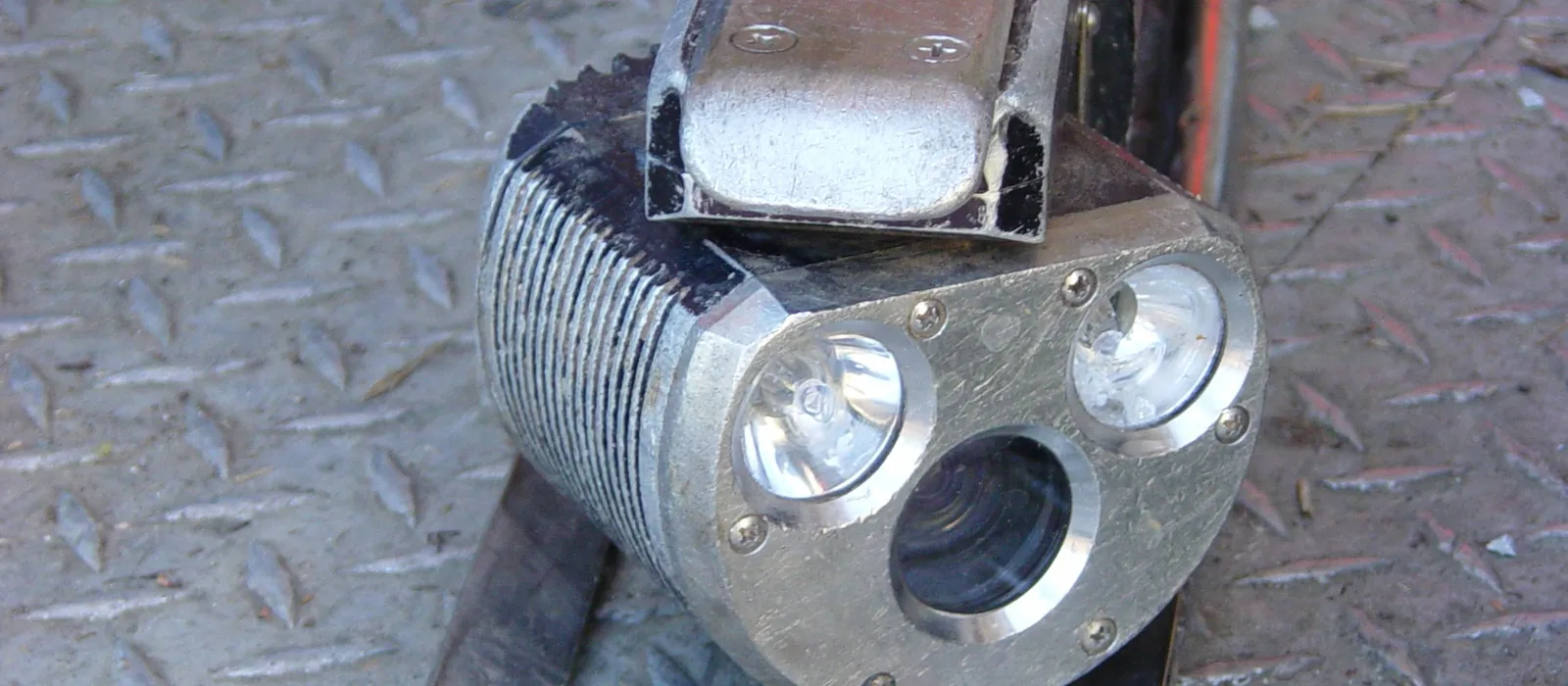
A sewer inspection in Independence, KY puts a waterproof camera on a flexible rod and feeds it through your drain line to the main. You watch the pipe wall live. Instead of guessing why drains slow down or why a yard stays soggy, you see roots, cracks, sags or buildup, and we note how far from the cleanout each one sits.
Our licensed plumbers use this for homeowners with repeat backups, buyers who want to know what lies under a property, and anyone planning work in Kenton County. We book same-day appointments when available. You get a clear price before work starts, and a plain explanation of what we saw.
Drains that gurgle, back up or smell: when to look inside the line
Sewer trouble starts quietly. The signs below often show up weeks or months before a full backup, and they usually point to the same underground pipe.
Several drains slow at once
One slow sink is local. Slow tubs, toilets and a floor drain together suggest the main line.
Gurgling after a flush
Air pushed back through a trap can mean a partial blockage downstream.
Sewage smell in the yard or basement
A cracked or offset joint can leak gas and wastewater into the soil.
Lush or soggy patches over the line
A damp, extra-green strip of lawn can mark a leak, since sewage feeds the grass.
Repeat clogs after cleaning
If a cleaning only buys a few weeks, something in the pipe, like roots or a belly, keeps catching waste.
Sinkholes or sunken ground
Soil washing into a broken pipe leaves voids that collapse over time.
How a camera inspection works, one step at a time
Find the access point
We start at a cleanout, usually a capped pipe near the house or in the basement. If none exists, we can pull a toilet or work from a roof vent.
Protect the area
We lay down floor covers, wear gloves and set up the monitor so you can watch.
Run the camera
A self-leveling camera head is pushed through the 4 or 6 inch pipe while a transmitter reports the depth and distance.
Mark and record
Each defect is logged by footage count, and we can mark the ground above it with paint or a flag.
Review the video
We show you the footage on site and explain which findings need work now and which can wait.
Choose next steps
You may need nothing, a cleaning, or a repair. We give a clear price before work starts.
What the camera shows and what it means
Each pattern on the screen has a likely cause and a usual next step.
| On the screen | Likely cause | Common next step |
|---|---|---|
| Fine roots through joints | Roots entered at small cracks or loose joints | Cut roots, then monitor or repair |
| Standing water in a low spot | Belly, where the pipe has settled | Spot repair or section replacement |
| Crack running along the pipe | Ground movement or age, common in clay and cast iron | Lining or repair |
| Offset joint | Pipe sections shifted apart | Dig and repair the joint |
| Heavy grease and scale | Years of buildup in the pipe wall | Cleaning or hydro jetting |
| Flaking, rough pipe wall | Corroded cast iron | Plan replacement |
Want to see your sewer line?
Call our 24/7 line to schedule a camera inspection.
What a technician looks for in the footage
The camera tells a story only if someone reads it carefully. We check these items on every run.
- Pipe material: PVC, cast iron, clay tile or Orangeburg fiber pipe.
- Joint condition and any gaps or offsets.
- Root intrusion, from hairlines to thick masses.
- Sags or bellies that hold water after waste passes.
- Cracks, breaks or collapsed sections.
- Buildup of grease, scale or debris on the pipe wall.
- Connection points where branch lines meet the main.
- The total length run and the depth at key points.
A clean video is not a perfect pipe
A camera sees the inside surface, not what is happening in the soil. A pipe can look fine today and still have a bellied section that only fills after heavy use. We note slope, water lines and joint spacing so you know where to watch. For a deeper check, repeat the inspection after a major repair or before a house sale.
What drives the cost of a sewer camera inspection
Inspections look similar, but the work behind them differs. We give a clear price before work starts, after we see your access point.
Access to the line
A clear cleanout makes the job quick. Pulling a toilet or working from a roof vent takes more time.
Length and depth of the run
A long lateral to the street main needs more cable and more time than a short run.
Pre-cleaning
Heavy grease or roots may need to be cleared before the camera can see the wall.
Locating and marking
Pinpointing and flagging a defect above ground adds a locating step.
Written report
Buyers and sellers often want video files and a summary to share.
Insurance may help when a sudden sewer backup damages the home, and some policies need a separate backup endorsement. Wear-out repairs to the pipe itself are rarely covered, so read your own policy.
Whose pipe is it? Sorting private lines from the district main
Sanitation District No. 1 handles sewer and stormwater service in the area, and it has a Report a Sewer Emergency option on its website. A camera run shows whether the blockage is in your private line or farther out. If the trouble sits in the street main, you need the district, and the footage gives you something to show them.
What homes of different ages tend to have underground
Independence grew through annexation in the 1960s, the 1970s and 1981, so homes here come from several building eras. Older homes may have clay or cast iron lines that tend to crack or corrode, while newer ones often use PVC. These are general trends, not facts about any one street. That is why a camera, not a guess, tells you what your house has.
If footage shows damage, sewer line repair is the next page to read. If it shows buildup, sewer line cleaning usually handles it. We also look after homeowners in Edgewood.
Frequently asked questions
The washer pushes a large volume of water into the line fast. If the sewer is partly blocked, air gets pushed back through nearby traps. A camera can show whether roots or a sag is the reason.
It is a smart step, especially for an older home. The camera can reveal roots, cracks and bellies that a home inspector cannot see. You can use the video to negotiate or plan repairs.
Most take an hour or two once the camera is in the line. Heavy buildup or hard access adds time.
Yes, it can be. A leaking sewer line can saturate the soil above it long before drains back up. Water supply leaks are another possibility, so we check both.
No. The camera head is smooth and flexible, and it moves gently through the line. Very fragile or collapsed pipe may stop it, which is itself a finding.
Yes. A transmitter in the camera head lets us locate it from above ground, and we mark the spot and the depth.
Sources and official contacts
Utility and licensing facts on this page come from the offices below. Contact them directly for anything on their side of the line.
- Sanitation District No. 1
Handles sewer and stormwater, and takes sewer emergency reports.(859) 578-7450 - Kentucky Division of Plumbing
Oversees plumbing in the state, including the State Plumbing Code that sets the standards for our work. Verify a plumber's license or ask about permits here.(502) 573-0397