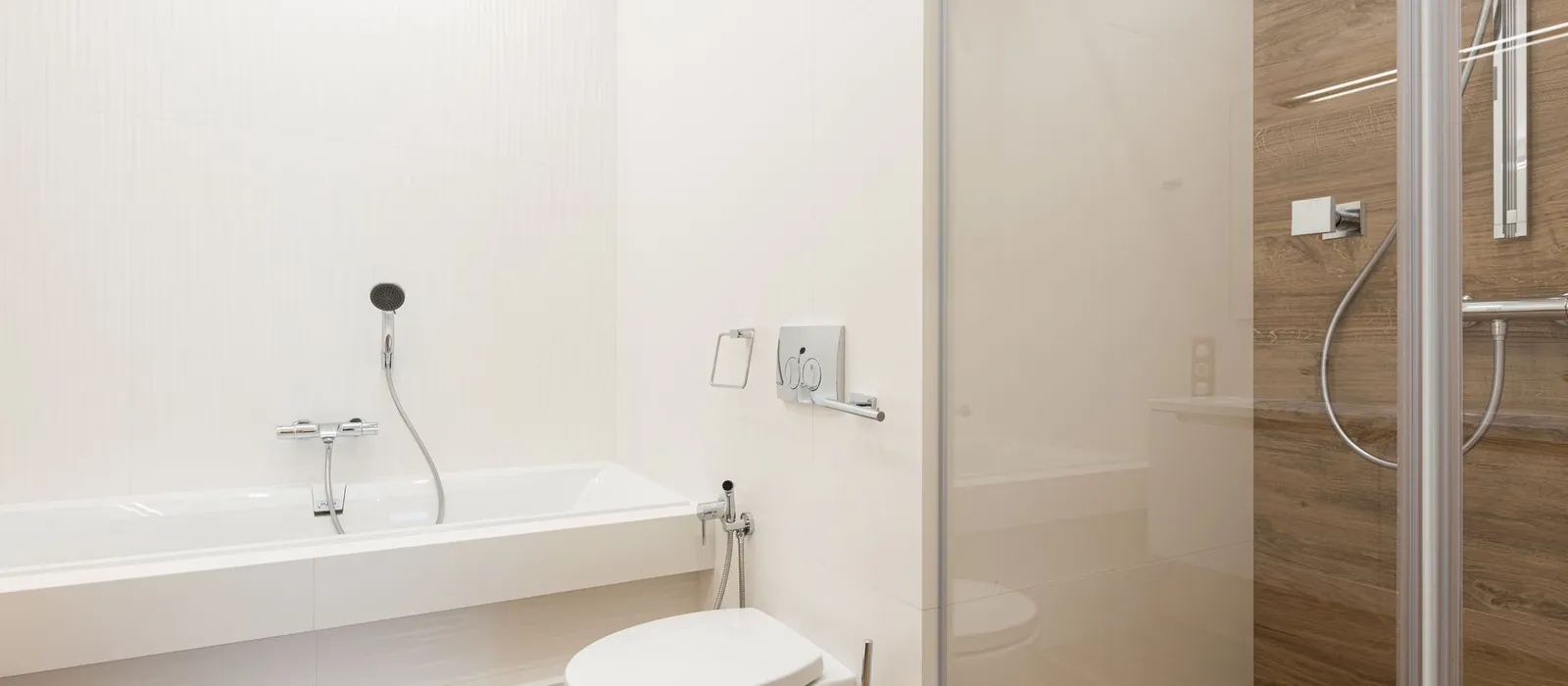
An overflowing bowl, a puddle around the base, or a tank that refills every few minutes all call for toilet repair in Independence, KY. Our 24/7 line is staffed for these calls. Until a plumber arrives, reach behind the toilet and turn the oval shutoff valve clockwise, then lift the lid and hold the float up if the tank is still filling. Avoid flushing again.
Most toilet problems come from a handful of parts: the flapper, the fill valve, the wax ring, or the bolts holding the toilet to the floor. Below, you will find the symptoms we hear about most and what each one usually means.
What your toilet is trying to tell you
Toilets are simple machines, so a symptom usually points to one or two parts. Here is how to read the most common ones.
Water at the base after a flush
The wax ring or its seal may have failed, or the closet bolts have loosened and the bowl is rocking.
Tank refills on its own
A flapper that does not seat lets water leak into the bowl, so the fill valve keeps topping up the tank.
Hissing that never stops
A worn fill valve or a float set too high keeps water flowing into the overflow tube.
A weak or half flush
Mineral buildup under the rim jets, a low water level in the tank, or a partial clog can all cut the flush short.
Gurgling and slow draining
The problem may sit past the toilet, in the drain or main line, and needs a drain check.
A loose or wobbling seat on the floor
Rocking breaks the seal and can crack the flange beneath. Stop using the toilet until it is checked.
A cracked bowl or tank
Porcelain cracks can seep or fail suddenly, and replacement is the sound fix.
What to do when a toilet is overflowing or leaking onto the floor
Overflow water can carry waste, soak subfloor, and drip into the room below. After-hours calls get the same attention as daytime ones, and same-day appointments are often available if the water is stopped and the situation is steady.
Take these steps while you wait.
- Turn the shutoff valve behind the toilet clockwise until it stops.
- Lift the tank lid and lift the float to stop the refill, or tie it up with string.
- Do not flush, and keep everyone away from the bathroom if wastewater is on the floor.
- Put towels around the base and turn off power to any outlet near standing water.
- If several drains gurgle or back up at once, stop using water in the house.
- Call our 24/7 line and mention if wastewater, not just clean water, is on the floor.
The running toilet that raises your water bill
A running toilet is the most common call we hear, and it wastes more water than most people expect. A flapper that has warped or gone stiff lets a thin stream flow from tank to bowl all day. You may only notice a faint trickle, but the water bill can climb quickly.
A quick check: add a few drops of food coloring to the tank and wait ten minutes without flushing. If color shows up in the bowl, the flapper is leaking. If the water level sits above the overflow tube, the fill valve or float needs adjusting or replacing.
Both parts are inexpensive, and replacing them takes a plumber a short visit. If two bathrooms keep running, we usually replace the parts in both toilets so you are not back in a month.
Toilet overflowing now?
Shut the valve behind it and call, because licensed plumbers are on our 24/7 line.
Repair the toilet or replace it?
Many toilets are worth saving, but some have reached the end of their life. This table shows how technicians weigh it.
| Condition | Usual choice | Reason |
|---|---|---|
| Worn flapper or fill valve | Repair | Cheap parts and the toilet itself is sound |
| Leak at the base from a failed seal | Repair, reset on a new wax ring | The bowl is fine, only the seal needs redoing |
| Cracked flange under the toilet | Repair the flange, then reset | A damaged flange keeps the toilet from sitting level |
| Crack in the bowl or tank | Replace | Porcelain cannot be reliably patched |
| Repeated clogs from an older high-volume model | Consider replacing | Newer designs flush more efficiently with less water |
| Damaged one-piece unit or a bidet seat that failed | Replace or service | Parts may be hard to match and labor may exceed value |
A technician can tell you which side of the line your toilet sits on after a quick look.
Wax rings and flanges: the parts under the toilet
A wax ring is a soft gasket that seals the toilet to the drain opening. The flange is the metal or plastic ring bolted to the floor that holds the toilet in place. If the ring fails, water seeps out at the base. If the flange is cracked or sits too low, the new ring may not seal.
Repair means lifting the toilet, scraping off the old wax, checking the flange, and setting the toilet on a new seal. Rotted subfloor, a rusted flange, or a leaking drain beneath can make this job bigger, so we check what is under the toilet before reinstalling it.
What the technician looks at on arrival
The visit is a short diagnosis before any part is replaced.
- Confirm the shutoff valve works and the supply line is not leaking.
- Check the flapper, chain, and fill valve inside the tank.
- Rock the bowl gently to feel for movement at the floor.
- Look at the floor around the base for staining or soft spots.
- Test the flush strength and watch how the bowl drains.
- Check other drains in the house for gurgling that suggests a line problem.
- Look for cracks along the bowl, tank, and tank bolts.
What a full replacement involves
Shut off and empty
The water is closed, the tank is flushed, and the leftover water is sponged out of the bowl.
Pull the old toilet
The bolts are loosened, the toilet is lifted off, and the floor is scraped clean.
Inspect the flange
We check that the flange is solid and sits level at the right height for the new bowl.
Set the new toilet
A new seal goes on, the bowl is lowered straight down, and the bolts are tightened evenly.
Connect and test
The supply line is attached, the tank is filled, and we flush several times to check for leaks.
What sets the bill for a toilet job
A new flapper and a full replacement are very different bills. These are the details that decide where yours falls.
Which part failed
A fill valve or flapper is a short visit, while a flange or subfloor repair adds parts and labor.
The toilet you want
Standard round bowls, taller elongated bowls, and one-piece or wall-hung models differ in price and in how they install.
Old toilet removal
Hauling away the old unit is part of the plan, and a heavy cast or one-piece model takes more handling.
Condition of the floor
Soft or stained subfloor around the base must be dealt with before a new toilet can sit securely.
Number of toilets
Replacing the parts in several bathrooms in one visit usually saves repeat trips.
Insurance often helps when a failed supply line or overflow causes sudden water damage, but it rarely pays for a worn flapper or a replaced toilet. Read your own policy, since some require proof that the leak was sudden.
Frequently asked questions
Random refills usually mean the flapper is leaking into the bowl, so the tank tops itself up every so often. The flapper wears out from chlorine and age. A technician replaces it or the fill valve, and may adjust the float so the water stops at the right level.
Yes. Toilet overflows and leaks go to our 24/7 line after hours in Independence. Before anyone arrives, close the valve behind the bowl, stop the tank from refilling by lifting the float, and keep the floor clear. Mention if the water looks dirty so the technician can bring the right gear.
Often, yes, but not always. A loose bolt, a leaking supply line, or sweating from a cold tank can also leave water on the floor. We dry the area, flush a few times, and find the source before replacing any part.
Yes. An elongated bowl is longer front to back, so we check clearance with the vanity, door, and wall. The drain opening is in the same place, so the swap usually works with a new seal and the right bolts.
We can often work on the plumbing side of a toilet with a bidet seat, including supply lines and shutoffs. For an electrical or spray unit failure, the manufacturer's service may be needed. A technician can sort out which part of the problem is ours.
If other drains gurgle too, or water backs up in a tub when you flush, the clog is probably past the toilet in the branch or main line. Our drain cleaning crew can clear it. If sewage backs up and the city sewer may be involved, Sanitation District No. 1 takes reports on its public lines.
Repair makes sense for a worn part in a sound toilet. Replace if the porcelain is cracked, the toilet clogs often, or repairs keep stacking up. Our plumbing installation team can supply and set a new one, with the old unit removed. We also book visits in Taylor Mill and other nearby towns.
Sources and official contacts
Utility and licensing facts on this page come from the offices below. Contact them directly for anything on their side of the line.
- Northern Kentucky Water District, customer service
Owns the service line from the main to the meter and publishes an annual water quality report.(859) 578-9898 - Kentucky Division of Plumbing
Oversees plumbing in the state, including the State Plumbing Code that sets the standards for our work. Verify a plumber's license or ask about permits here.(502) 573-0397