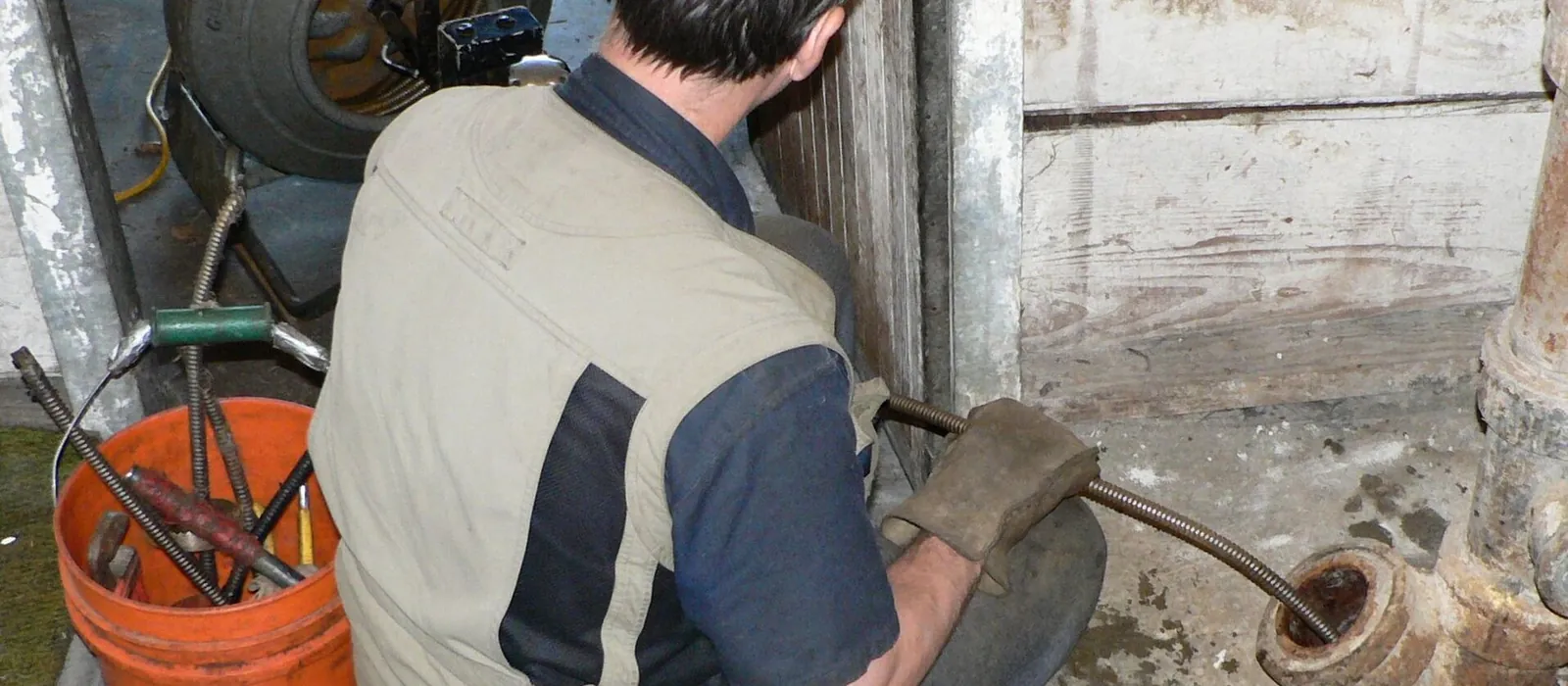
A sink that will not drain or a tub that gurgles can turn into a wet floor fast. If water is rising right now, stop running water, keep everyone away from wet outlets, and call our 24/7 line. We handle emergency drain cleaning in Independence, KY with licensed plumbers who clear the clog and give you a clear price before work starts. Same-day appointments are available when the schedule allows.
Households across Independence in Kenton County call us for the same handful of problems. A kitchen sink drains slowly. A shower fills to your ankles. A washing machine spits water back out of its standpipe. Each one points to a different part of the drain system, and reading the pattern matters, because the right tool for a sink trap is the wrong tool for a main line.
Slow, gurgling, or standing water: what each sign means
Drains rarely fail without warning. They give hints for weeks, and the hint depends on where the blockage sits in the pipe.
One sink drains slowly
Hair, soap film, or grease is narrowing the trap or the short branch behind it. A hand cable usually clears this in one visit.
Gurgling after a flush
Air is being pulled past a partial clog, or the vent stack is restricted. The sound is a warning that water is struggling to leave.
Tub rises when the washer runs
The washer pumps out a lot of water quickly. If a lower shared line is narrowed, the lowest drain in the house shows it first.
Toilet and shower both slow
Two fixtures on different branches sharing a symptom means the blockage is probably past where the branches meet, in the main drain.
Kitchen sink backs into the laundry sink
Both fixtures feed the same line. The clog sits downstream of where they join, often a grease buildup in a 2-inch pipe.
Water drains, then comes back
A partial clog lets water slip by at first. As the pipe fills, pressure pushes some of it back up the way it came.
Water is coming up out of a drain right now
Sewage or gray water on the floor is a health problem as well as a mess. Our 24/7 line is open at night and on weekends, and we book same-day appointments when we can. Until a plumber arrives, the goal is to slow the flow and keep people out of the wet area.
Do not keep flushing to see if it clears. Every flush and every load of laundry adds a few more gallons to a line that has nowhere to send them.
- Stop using every sink, toilet, tub, and the washing machine.
- Keep children, pets, and anyone with a weak immune system away from the wet floor.
- Stay out of standing water if outlets, cords, or a furnace sit nearby.
- Move rugs, boxes, and stored items up off the floor.
- Note which fixtures are affected, because that tells the plumber where to start.
- Skip liquid drain openers. They can sit in the pipe and burn skin or eyes when the cable goes in.
One fixture or the whole house? How we sort it out
The first question on every call is how many drains are affected. One slow sink means a branch line problem, usually within 10 to 15 feet of the fixture. A tub, a toilet, and a floor drain all acting up together point to the main drain that leaves the house.
That split changes the tool, the time, and the cost. Branch clogs respond to a small cable. Main drain blockages often need a larger cable head or a camera, and our sewer line cleaning service covers the deeper run toward the street.
If the same line clogs again every few months, a cable only opens a hole through the buildup. Scraping the full pipe wall with hydro jetting is the better fix for that pattern.
Drain backing up now?
Call our 24/7 line and a licensed plumber will tell you what to do while you wait.
How a drain clearing visit runs
Talk through the pattern
We ask which fixtures are slow, when it started, and what has gone down the drain. Wipes, grease, and hair each leave a different kind of blockage.
Find the access point
The cable goes in through a cleanout, a removed trap, or a pulled toilet. A cleanout near the foundation is the easiest way into a main line.
Cut through the clog
A motorized cable with a cutting head spins through the blockage and pulls debris back out. Different heads handle soft sludge, hair, and root fibers.
Run water and test
We run the fixture at full flow for several minutes. A drain that only looks open can still choke when a full tub empties.
Camera the pipe when needed
If the clog returns or the cable stops short, a small camera shows whether the pipe is cracked, sagging, or packed with scale.
Cable, jetting, or camera: which one fits
No single tool clears every drain. This table shows how we usually match the problem to the method.
| Situation | Method that fits | Why it fits |
|---|---|---|
| Single sink or tub, slow or stopped | Hand or small motorized cable | Short branch, soft blockage, quick to open |
| Kitchen line coated with grease | Cable, then jetting if it returns | Grease reforms on pipe walls after a cable pass |
| Several fixtures slow together | Large cable at the main cleanout | Blockage sits where the branches join |
| Same drain clogs every few months | Hydro jetting plus camera | Scours the whole pipe wall and shows why it keeps filling |
| Cable stops at the same spot twice | Camera inspection | Points to a break, a sag, or a root mass |
If the camera finds damage, clearing the clog is only the first step. We explain what the pipe needs before any repair starts.
What a technician actually checks on a drain call
The cable is the visible part of the job. The checks around it decide whether the fix lasts.
- Which fixtures drain normally, which drain slowly, and which are stopped.
- Whether a cleanout exists, and where it sits on the main line.
- How far the cable travels before it meets resistance, measured in feet.
- What the cable brings back, such as hair, grease, roots, or paper.
- Whether water runs freely at full flow after the clog opens.
- Whether a vent stack on the roof is blocked, if gurgling continues.
- Whether a camera view is needed to confirm the pipe wall is sound.
Why kitchen lines clog differently than bathroom lines
Hot grease runs freely, then cools and hardens on the inside of the pipe. Layer after layer narrows a 1.5 or 2-inch drain until a single bit of food catches. A garbage disposal grinds scraps, but it does nothing about the grease coating the pipe beyond it. If your disposal is part of the problem, our garbage disposal repair page covers that side.
Mineral film and older lines in Independence homes
Northern Kentucky Water District's 2023 report shows about 7 grains per gallon of hardness across its systems. Water at that level leaves mineral scale that mixes with soap film inside tub and sink drains. If your bathroom drains slow down gradually, a cable plus a look at the pipe wall tells you whether scale is the cause.
Independence grew by annexation in the 1960s, 1970s, and 1981, and homes from those building eras may still have older cast iron or galvanized drain lines. Rough pipe walls catch debris more easily. The same applies in nearby Elsmere, which has 19th century roots, and you can read about our work there on the plumber in Elsmere, KY page.
What changes the price of a drain cleaning
Two clogged drains can look the same from the sink and cost very different amounts to open. The price follows the pipe, the access, and the cause, so we quote after we see which situation you have.
Distance to the clog
A blockage 8 feet from a sink is a short job. One 80 feet down the main takes more cable, more time, and a bigger machine.
Access to the line
A cleanout makes entry simple. Pulling a toilet or cutting into a trap adds labor.
What the clog is made of
Soft sludge opens fast. Packed roots, scale, or a foreign object can take several passes with different heads.
Need for a camera or jetting
A recurring clog may need a camera view or a full jetting pass, which is a separate step from the first opening.
After-hours scheduling
Night, weekend, and holiday calls follow different scheduling than a weekday appointment, and we tell you before we start.
Insurance often covers sudden water damage after a backup, but it rarely pays to clear a clog that built up slowly. Read your own policy, or ask your agent, about sewer and drain backup coverage.
Frequently asked questions
Both fixtures usually share one drain line. When a clog sits below the point where they join, water from one fixture has nowhere to go but up the other. A cable through the kitchen trap or cleanout clears it. If it returns within weeks, grease coating is the likely cause.
Yes. Our 24/7 line is staffed at night and on weekends, and we book same-day appointments when the schedule allows. Until we arrive, stop using every fixture and keep people out of the wet area. Do not pour chemical openers into the drain.
We advise against it. Liquid openers can sit above a hard clog and then splash when a cable goes in, which is a burn risk for the technician and you. They also do little against hair and grease deep in the pipe. A hand plunger is a safer first try.
Check how many drains are affected. One or two slow fixtures means the problem is in your house plumbing. If every drain backs up, call us first, and we will camera the line. If the camera shows the blockage past your property, Sanitation District No. 1 handles public sewer mains, and you can reach it through its website or city phone list.
A dry trap is the most common cause. Floor drains and rarely used sinks lose their water seal over weeks, and sewer odor comes up. Pouring a quart of water down the drain often fixes it. A smell that stays after that suggests buildup on the pipe wall or a venting problem.
A correctly sized cable and head will not harm sound pipe. Old, corroded cast iron or brittle clay is more delicate, so we choose gentler heads and often camera first. That is one reason we ask about your home's age and pipe material on the call.
A fixed stopping point can mean a joint that has shifted, a sagging section holding water, or a solid root mass. We switch to a camera at that point so you see the cause before deciding on the next step.
Sources and official contacts
Utility and licensing facts on this page come from the offices below. Contact them directly for anything on their side of the line.
- Sanitation District No. 1
Handles sewer and stormwater, and takes sewer emergency reports.(859) 578-7450 - Kentucky Division of Plumbing
Oversees plumbing in the state, including the State Plumbing Code that sets the standards for our work. Verify a plumber's license or ask about permits here.(502) 573-0397